

1. Cotton Yarn Count: Understanding Ne
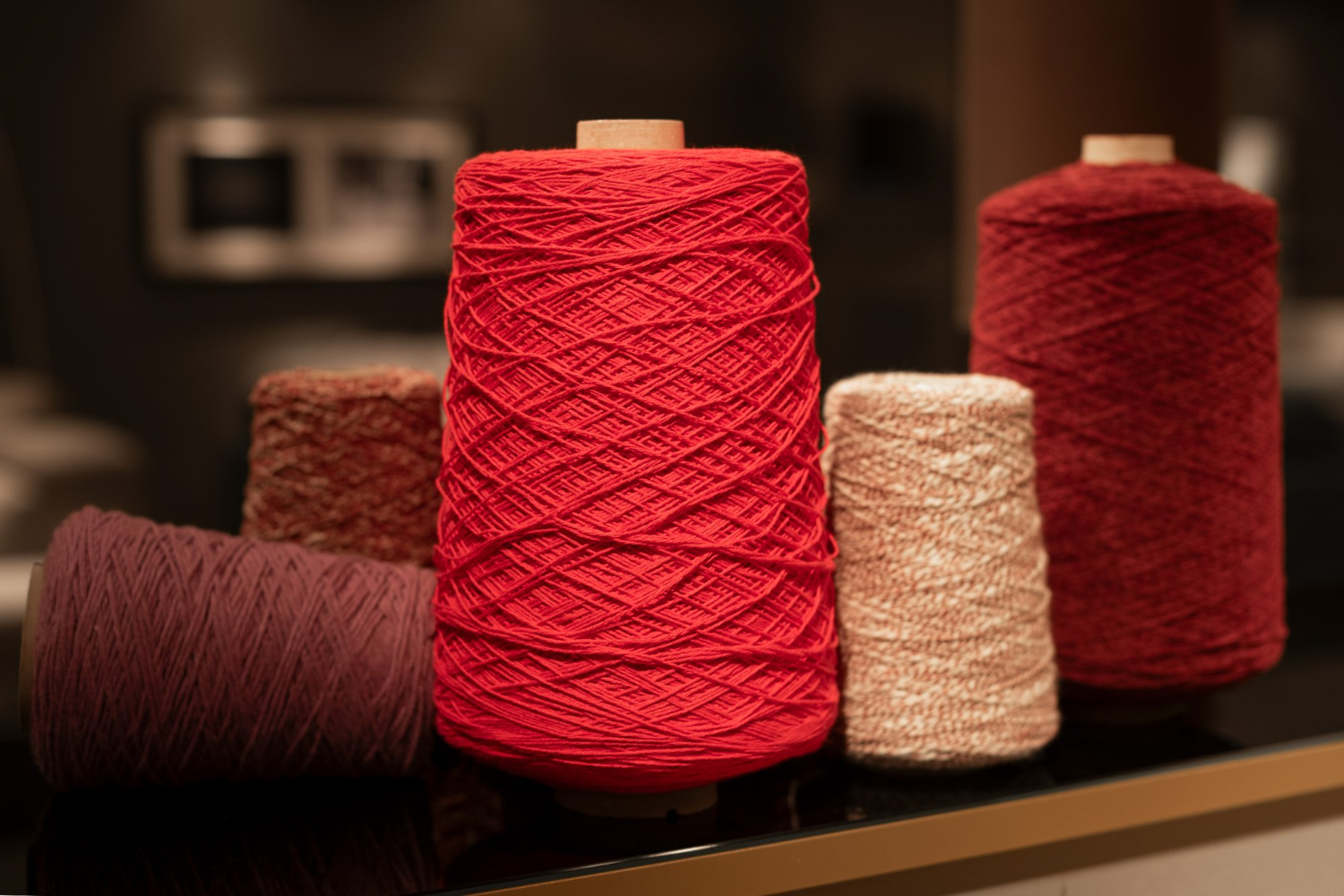
Cotton yarn is commonly specified using the English cotton count system, abbreviated as Ne.
Ne is an indirect numbering system based on the number of 840-yard hanks that weigh one pound.
In this system, a higher count indicates a finer yarn.
For example:
20 Ne is coarser than 30 Ne.
30 Ne is coarser than 40 Ne.
40 Ne is finer than 20 Ne.
A specification such as 30s/1 commonly indicates a nominal 30 Ne single yarn.
The notation 30s/2 generally refers to a two-ply yarn made from 30-count singles, although buyers should confirm the supplier’s count and ply conventions.
Why Does Cotton Yarn Count Matter?
Yarn fineness can influence fabric weight, appearance, surface texture, and handling characteristics.
Finer yarns may be used to develop lighter or smoother fabrics, while coarser yarns are often selected for more substantial constructions.
However, fabric GSM and durability cannot be predicted from yarn count alone. Stitch density, yarn twist, fiber quality, and finishing also matter.
2. What Is Denier in Polyester and Nylon Yarn?
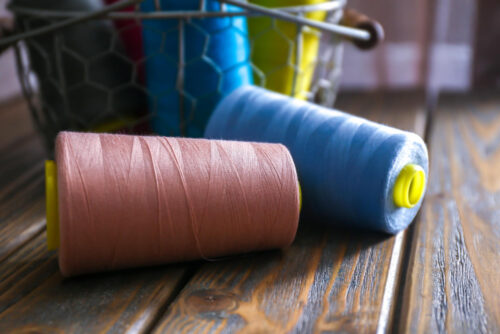
Denier is a direct linear-density measurement commonly used for synthetic filament yarns.
It expresses the weight, in grams, of 9,000 metres of yarn.
Unlike the Ne system, a higher denier indicates a heavier yarn per unit length.
For example:
75D is finer than 150D.
150D is finer than 300D.
300D is heavier per unit length than 150D.
Denier is frequently used when specifying polyester and nylon yarns for knitting, weaving, activewear, and technical textile applications.
Buyers may also encounter dtex, another direct linear-density unit that expresses grams per 10,000 metres.
3. Understanding Filament Count: What Does 150D/48F Mean?
Synthetic filament yarn specifications often combine denier with filament count.
Consider the example 150D/48F.
Here:
150D indicates the nominal yarn linear density of 150 denier.
48F indicates that the yarn contains 48 constituent filaments.
At the same total denier, a higher filament count generally means the individual filaments are finer.
This can influence surface feel, flexibility, and fabric appearance.
However, filament count alone does not determine softness or performance. Polymer type, filament cross-section, texturing, and fabric construction must also be considered.
4. Common Polyester Yarn Types Buyers Should Know
Polyester yarn specifications often include abbreviations describing how the yarn is manufactured or processed.
DTY — Draw Textured Yarn
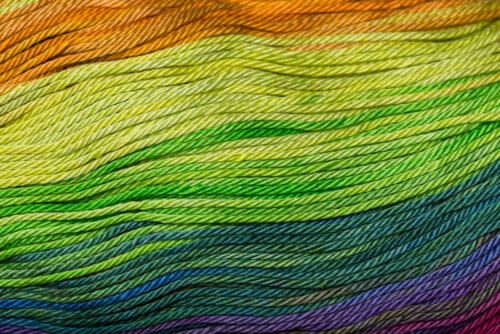
Draw Textured Yarn is processed to develop texture and bulk.
It is widely used in knitted and woven fabrics where textured filament characteristics are desirable.
DTY specifications may also include intermingling levels, lustre, denier, and filament count.
FDY — Fully Drawn Yarn
Fully Drawn Yarn is a filament yarn that has undergone drawing to develop its intended properties.
It is used in various textile constructions, including fabrics that require relatively smooth filament characteristics.
ACY — Air Covered Yarn
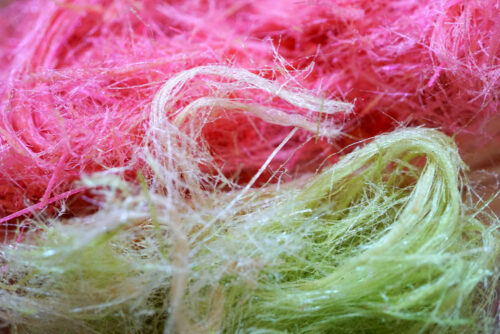
Air Covered Yarn commonly combines an elastane component with another filament yarn using an air-jet process.
This construction can be used in stretch fabrics for sportswear, leggings, and other applications requiring elasticity.
The appropriate yarn specification depends on the equipment, fabric structure, and final performance requirements.
5. Ring-Spun, Open-End and Compact Yarn
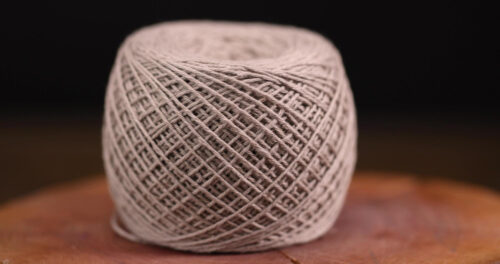
Yarn count is only one part of the specification. Spinning technology is also important.
Ring-spun yarn is produced through a spinning process involving drafting, twisting, and winding. It is used across a broad range of textile applications.
Open-end yarn is commonly associated with rotor spinning. It can offer production and cost advantages for suitable yarn counts and end uses.
Compact-spun yarn uses an additional fiber-condensing stage intended to improve fiber alignment and reduce yarn hairiness compared with conventional ring spinning under comparable conditions.
The results depend on the raw material, process settings, and yarn quality.
How Does Yarn Selection Affect Fabric Quality?
Two yarns with the same nominal count may still produce fabrics with different characteristics.
Important variables include fiber length and quality, twist level, yarn evenness, strength, hairiness, filament structure, and finishing behavior.
For example, yarns with different levels of hairiness can influence the appearance and pilling tendencies of a knitted fabric.
Similarly, differences in yarn strength or evenness can affect processing efficiency during knitting or weaving.
This makes supplier specifications and testing important parts of yarn approval.
What Should Buyers Ask Before Sourcing Yarn?
A useful yarn inquiry should clearly state the required material and application.
Include:
Fiber composition and blend ratio
Yarn count or denier
Filament count, where applicable
Single or plied construction
Spinning or filament yarn type
Color or raw-white requirement
Intended knitting, weaving, or sewing application
Required quality and testing parameters
Estimated order quantity
Clear technical information helps suppliers recommend suitable alternatives and prepare more accurate quotations.